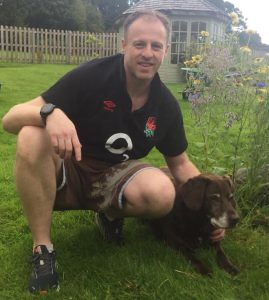
Lots of us have welcomed a furry friend into our lives in the past year. With lockdown meaning that many of us are spending more time at home, the demand for puppies and dogs has skyrocketed.
Unfortunately, the popularity of pooches has led to a rise in dog theft, with thieves looking to cash in while demand is at an all-time high. Thankfully, there are lots of preventative measures you can take to reduce your dog’s chances of being stolen.
We’ve put together our best advice for keeping your dog safe. We’ve also included a helpful infographic that you can save and share on social media to keep other owners informed.
Report suspicious behaviour
Be vigilant and keep an eye out for suspicious behaviour. Although no two thefts are the same, there are some telltale signs that dog thieves are operating in the area.
- Report people acting suspiciously in parks. Anyone stopping dog owners and asking them lots of questions about their dog could be identifying potential targets.
- Report people leaving marks in front of houses. There are reports of thieves leaving chalk or spray paint markings in front of houses they intend to target.
- Keep an eye on local community groups and online message boards. Dog owners will often report suspicious behaviour to help keep others safe.
- Don’t hesitate to contact the police by calling 101 if you witness any suspicious behaviour.
Don’t leave your dog unattended
Leaving your dog unattended can make them vulnerable to dog thieves. Take the following advice into consideration to help keep your dog safe.
- Try to avoid leaving your dog tied up outside shops or in other public spaces. This makes them an easy target for dog thieves.
- Don’t leave your dog alone in the car, even if it’s only for a few minutes. You should always take your pet home before popping to the shops if you’re on your own. Thieves can easily break into your car and take your dog.
- Make sure your garden is secure. Keep an eye on your dog when they are in the garden, try not to leave them unsupervised.
- Install security cameras. If dog thefts are common in your area, consider installing cameras on your property.

Make sure your dog can be identified
Of course, thieves aren’t the only reason that dogs go missing. Sometimes a dog’s adventurous nature can get the better of them. There are several useful things you can do to ensure your dog has the best chance of returning to you safely if they ever go missing.
- Make sure your dog is microchipped. Dogs must be microchipped by the time they are eight weeks old, according to UK law. This helps them to be identified if they get brought into a vet.
- Make sure your dog is wearing a collar and has an accurate ID tag. Your dog’s ID tag should have your name and address on it. This is a legal requirement if you take your dog to public spaces. A mobile number is also useful, although not a requirement.
- Avoid putting your dog’s name on their ID tag, as this could lead to thieves calling their name to coax the dog over, giving thieves a false sense of familiarity with the dog.
- Keep your contact details updated, if you change your phone number or move house, be sure to update the information on your dog’s ID tag.
- Take plenty of photos of your dog. Make sure to regularly take clear pictures from different angles, detailing distinctive markings, just in case. Having lots of photos of yourself with your dog will help to prove that you are the owner.
- Make sure your dog comes back when called. Spend plenty of time doing recall training with your dog. If your dog struggles with recall, it’s safer to keep them on the lead.
Read More: How to train your dog to come back

What should I do if my dog goes missing?
If your dog does go missing, you should report it immediately. The sooner that you get information out there, the better. Here’s a checklist of who you should inform:
- The police, by calling 101
- Your neighbours
- Your online community dog walking page
- Your local council
- Your vet and other local practices
- Local animal rescue centres
- The database with which your dog’s microchip is registered
If you post online or make a poster to put around your local area, you should include a recent, clear photo of your dog.
Share as much information as possible: details of when and where your dog went missing; if they have any distinctive markings; if they were wearing a harness/coat.
Leave your contact details so that people can reach you if they have any information.
How to keep your dog safe infographic
Please save and share our helpful infographic on social media to keep other owners informed on how to keep your dog from being stolen.

Need more info?
For more help and advice on keeping your dog safe, contact us for more advice.