Business

Heatstroke: Spotting the Signs

Why it’s so important to keep an eye on your pets during hot days.

Unfortunately, glorious sunshine can have some ugly consequences if we’re not careful. At this time of year, heatstroke is more common in pets than we’d like it to be. So in order to keep them happy and healthy this summer, make sure you’re aware of the risk of heatstroke – the symptoms, prevention and how to act fast if the worst should happen…

The Signs:

Symptoms of heatstroke can include:

  • Fast, heavy breathing or panting
  • A bright red tongue
  • Sticky gums
  • Excessive drooling
  • Vomiting
  • Pressing their head to the wall
  • Circling
  • General restlessness
  • Dizziness – they may appear lethargic, drowsy or slow

Prevention:

If you’re alert at all times, heatstroke is easy to avoid. At home or out in the garden, ensure that your pets have access to somewhere cool, as well as to clean, fresh and cool drinking water at all times. Your pets aren’t aware of the dangers like we are, so during the hotter parts of the day (when there is less shade outside) consider bringing them indoors to a well-ventilated area so they can cool off. Likewise, avoid walking your dogs during the hottest parts of the day and when you do go out for a walk, avoid concrete, gravel, asphalt – they reflect heat and can be hot enough to cause issues with your pet’s footpads.

Remember to NEVER, EVER LEAVE YOUR DOG ALONE IN THE CAR! Cars can become dangerously hot very quickly – even if the windows have been left slightly open. The same can be true of conservatories.

If you’re not at home, whether you’re out for the day or you’ve gone on holiday, the same rules apply. You might have to work a little harder, but make sure that your dog has access to shade at all times. Bring water out with you and give it to your dog at regular intervals throughout the day.

Remember that if you’ve gone somewhere unfamiliar to your dog, full of sites, smells and people that can distract and excite them, they are probably likely to dehydrate faster than on a normal day as they will use up more energy.

When heading out with your dog, remember to bring the essentials:

  • Food
  • Water
  • Bowl
  • Lead
  • Poo Bags
  • Wipes
  • Towels or Blankets
  • First Aid Kit
  • It’s also really handy to ensure their microchip has been checked recently. Perhaps ask your vet to do this at your annual check-up.

If your pet shows signs:

Try not to panic, act fast but remain calm.

1. Move your pet to a cool, shaded area.

2. Douse them with cool water. Do not use freezing cold water as this can send them into a state of shock. If possible, wet their fur and encourage this to evaporate, with a fan, for example – though it’s best not to soak the fur.

3. Offer them small amounts of water – again, cool but not too cold. Little and often is the key.

4. Alternate between points 2 and 3 until the animal’s breathing begins to appear normal. Remember: you don’t want them to be too cold.

5. You may find your pet cools down and returns to normal quickly but if not, and especially if you’re worried, call your vet urgently.

Heatstroke can be fatal in pets so it really is important that as owners, we stay alert and keep one eye on our four-legged friends at all times! It’s true that certain dog breeds will be at a higher risk (old or young dogs, dogs with shorter noses e.g. brachycephalic breeds and of course, thick, bushy or long fur) but really, when the weather is stifling hot and they are spending more time outside than they’re used to, all dogs and cats are at risk. Heavy coated pets can benefit from shorter haircuts in hot weather.

If you have any concerns or queries, contact us today!

Ellen Whale

Ellen Whale

Patient Care Assistant/ Receptionist
PCA

Ellen joined us in 2026 after previously working in another vet practice and an animal sanctuary.

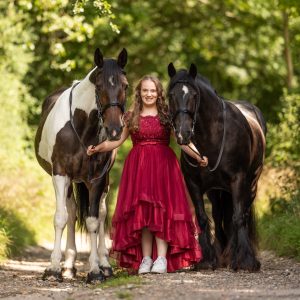
She loves horses and has two of her own called Molly and Abbie.  she also has four dogs who she enjoys walking in the Norfolk countryside. 

Adri Rossouw

Adri Rossouw

Locum Veterinary Surgeon
BVSc CertAVP (FelMed) MRCVS

Adri qualified as a Vet Surgeon in South Africa in May 1992 before moving to the UK in 1998.  She was partner in a small animal vet practice in Norfolk before retiring in May 2023.  She missed working with animals so now works as a locum part time.  She brings a wealth of experience to the team.  She achieved a CertAVP Small Animal Medicine (feline medicine) certificate in 2023.  She also enjoys orthopaedic and soft tissue surgery. 

Outside work Adri enjoys gardening, cycling and walking as well as being involved in the Gateway Church in Kings Lynn.  Adri has a tuxedo cat called Karolus and the village peacock Bob has claimed her garden.

Helen Manson

Veterinary Surgeon
BVM&S CertVOphthal MRCVS

Helen moved to Norfolk after graduating from Edinburgh Vet School in 2003. After working in practices around King’s Lynn, she joined the practice in 2023.


Helen enjoys small animal medicine and has a special interest in Ophthalmology. Helen gained her post graduate RCVS certificate in Veterinary Ophthalmology in 2012 and offers internal and external referrals for eye cases at the practice.


Outside of work, Helen is kept busy with her three children, Daisy the Labrador and Maggie the cat. She is married to Liam.

Ben Mcdonnell

Clinical Director & Veterinary Surgeon
BVSc, BSc, Cert AVP (GSAS)MRCVS

Following his graduation from Liverpool University in 2008 Ben returned to his roots in Cumbria, where he spent a short period working in mixed practice, before making the decision to work solely as a small animal veterinarian. He moved to Norfolk in 2022, when he joined our team at Swaffham, becoming a clinical director in 2025. Ben enjoys all aspects of first opinion small practice work, but especially enjoys the surgical side of the job and achieved the Royal College Certificate in Advanced Veterinary Practice (General Small Animal Surgery) in 2021.


Outside work Ben is often found exploring the Norfolk countryside and coastline with his son Joey. His other interests include mountain biking, walking, running and more recently paddle boarding.

Emily Neep

Veterinary Surgeon
BVetMed BSc(hons) MRCVS

Emily joined Swaffham Veterinary Centre in 2023, having worked as a vet in Wales. Originally from Norfolk, she was very excited to move back home! She has a keen interest in exotic animal care and also is trained in acupuncture.


In her spare time, Emily enjoys exploring her creative side with various craft projects, from crochet to jewellery making and can often be heard singing along to her favourite musical (much to the nurse’s dismay!). She has always had pets at home, ranging from various cats and dogs to a pet toad!

Liam Manson

Clinical Director & Veterinary Surgeon
BVM&S GPCert (SAS) MRCVS

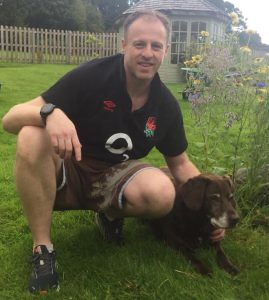
Liam founded Swaffham veterinary Centre in 2014, having worked in mid-Norfolk since graduating from Edinburgh University in 2003.  He completed a surgical certificate in 2007 and continues to have a keen interest in surgery but does enjoy the variety that a busy first opinion small animal practice gives each day.

Out of work Liam enjoys spending time with his wife and children, who all enjoy travelling in the UK and abroad.  he also enjoys exploring the beautiful Norfolk countryside with his Labrador Daisy.  When given the opportunity Liam is a keen gardener.